Are You Disposing of Lamps Illegally in California?

Most business owners and property managers don’t realize that something as simple as changing a light bulb can create a compliance issue.
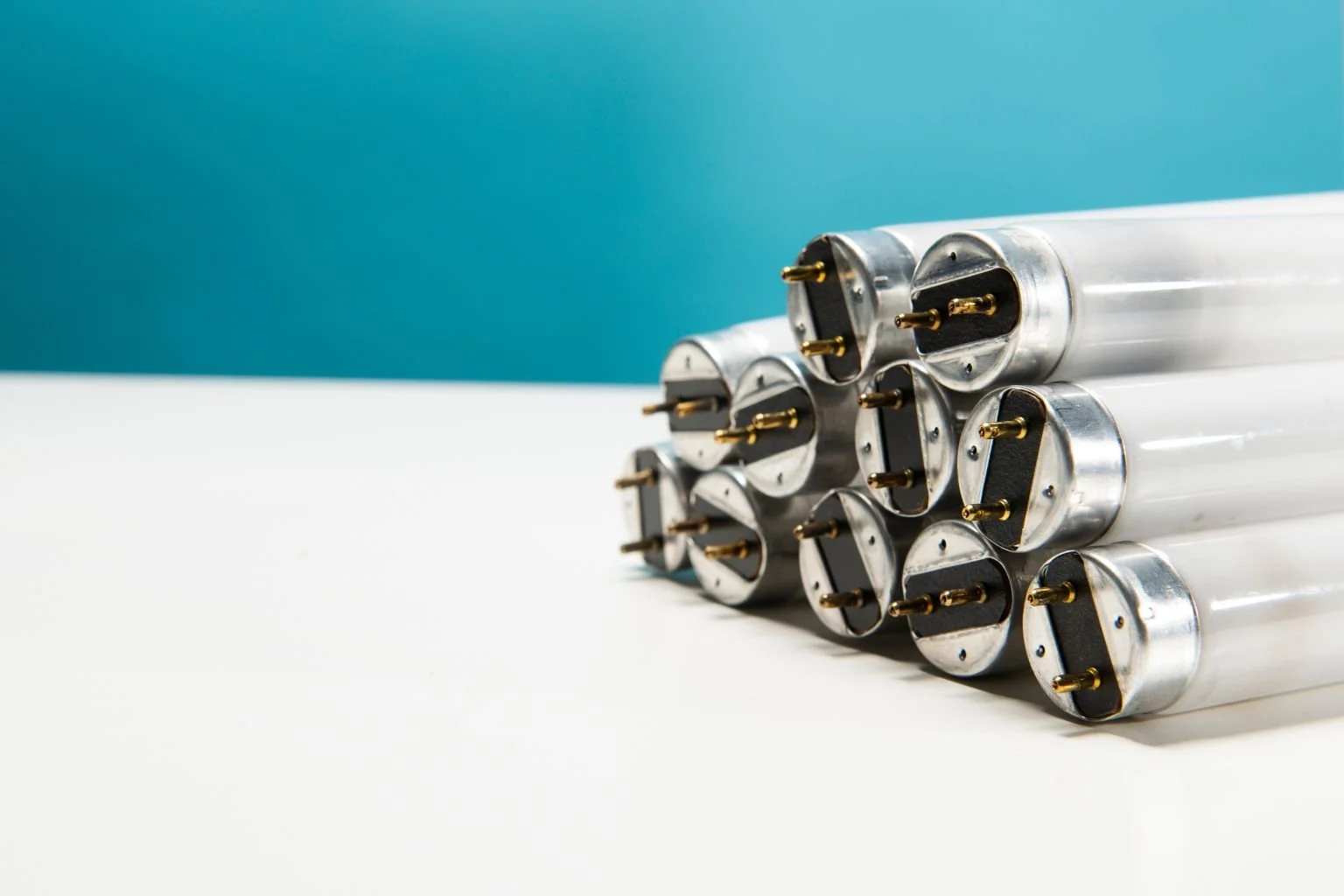
In California, many common lamps—especially fluorescent and CFL bulbs—are considered hazardous waste and cannot legally be thrown in the trash.
Yet, this is something we still see happening in the field.
What Makes Lamps Hazardous?
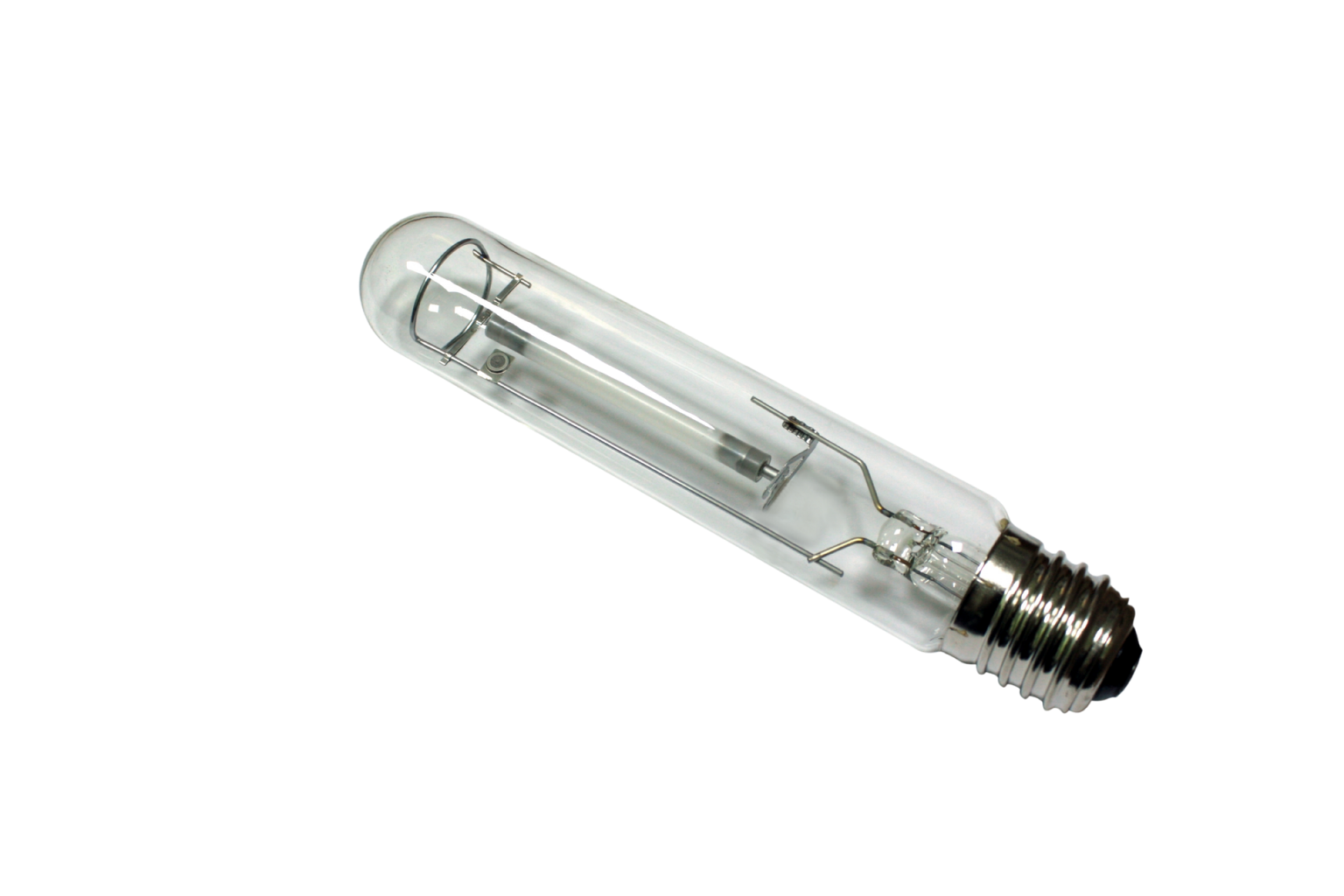
Fluorescent lamps, compact fluorescent (CFLs), and certain HID lamps contain mercury, which is classified as hazardous material under California law.
Because of this:
They cannot be disposed of in standard trash
They must be handled and recycled properly
Improper disposal can lead to environmental and regulatory issues
California Requirements for Lamp Disposal
California has strict regulations through the Department of Toxic Substances Control (DTSC).
For commercial properties:
Spent lamps must be collected and stored properly
They must be transported to an authorized recycling facility
Businesses may need to follow Universal Waste rules, depending on volume
The key point:
👉 Throwing lamps in the dumpster is not compliant.
Where Liability Can Fall
This is where things get important.
Many property owners assume: “That’s the electrician’s responsibility.”
But in reality:
👉 Liability can fall on the property owner or business, not just the contractor.
If lamps are improperly disposed of:
You may be responsible for how that waste was handled
It can become a compliance issue tied to your property or business operations
Potential Consequences of Improper Disposal
While it may seem minor, improper disposal can lead to:
Regulatory violations
Fines or penalties
Environmental liability
Issues during inspections or audits
Even more importantly:
👉 It reflects how seriously safety and compliance are handled on your property.
What Should Be Happening Instead
When electrical work involves lamp replacement:
Lamps should be collected and contained properly
They should not be mixed with general waste
They should be transported to an approved recycling facility
At MTE Electric, we take this seriously and ensure that spent lamps are handled and recycled correctly.
What to Ask Your Electrician
If you’re managing a property or facility, it’s worth asking:
“How are spent lamps being handled?”
“Are they being recycled properly?”
“Is this included as part of the service?”
If the answer is unclear—or worse, dismissed—that’s a red flag.
Closing Thought
Electrical work isn’t just about getting the lights back on.
It’s also about:
Safety
Compliance
Protecting your business from unnecessary risk
Something as simple as a light bulb can become a liability if it’s handled the wrong way.